

In this Issue
- Tomato and related crops: Beet curly top virus is showing up now. Prevent it by controlling weeds around crop plants, using row covers to exclude pests, and removing infected plants immediately.
- Cucumber, melon, watermelon, and zucchini: Cucumber beetles are building in population. If high numbers of adults and larvae are present, treat with insecticide to prevent damage to leaves, stems, flowers, and fruits.
- Squash and pumpkin: Powdery mildew is common in hot dry weather. Scout weekly and control early to reduce spread.
- Watermelon and related crops: Wilts such as Fusarium and Verticillium are common when temperatures are high (90°F for Fusarium and 70 to 85 °F for Verticillium) and soils are moist.
- All crops: Spider mite populations can increase rapidly during hot summer months. Count the number of mite-infested leaves every 1 to 2 weeks and treat when detected.
Beet Curly Top Virus
Use row covers to exclude pests, control weeds around field, and remove infected plants immediately.
Crops Affected: Primarily beans, beets, and tomatoes in Utah. Also affects chard, cucumbers, peppers, squashes, spinach, and watermelons.
Symptoms and Life Cycle
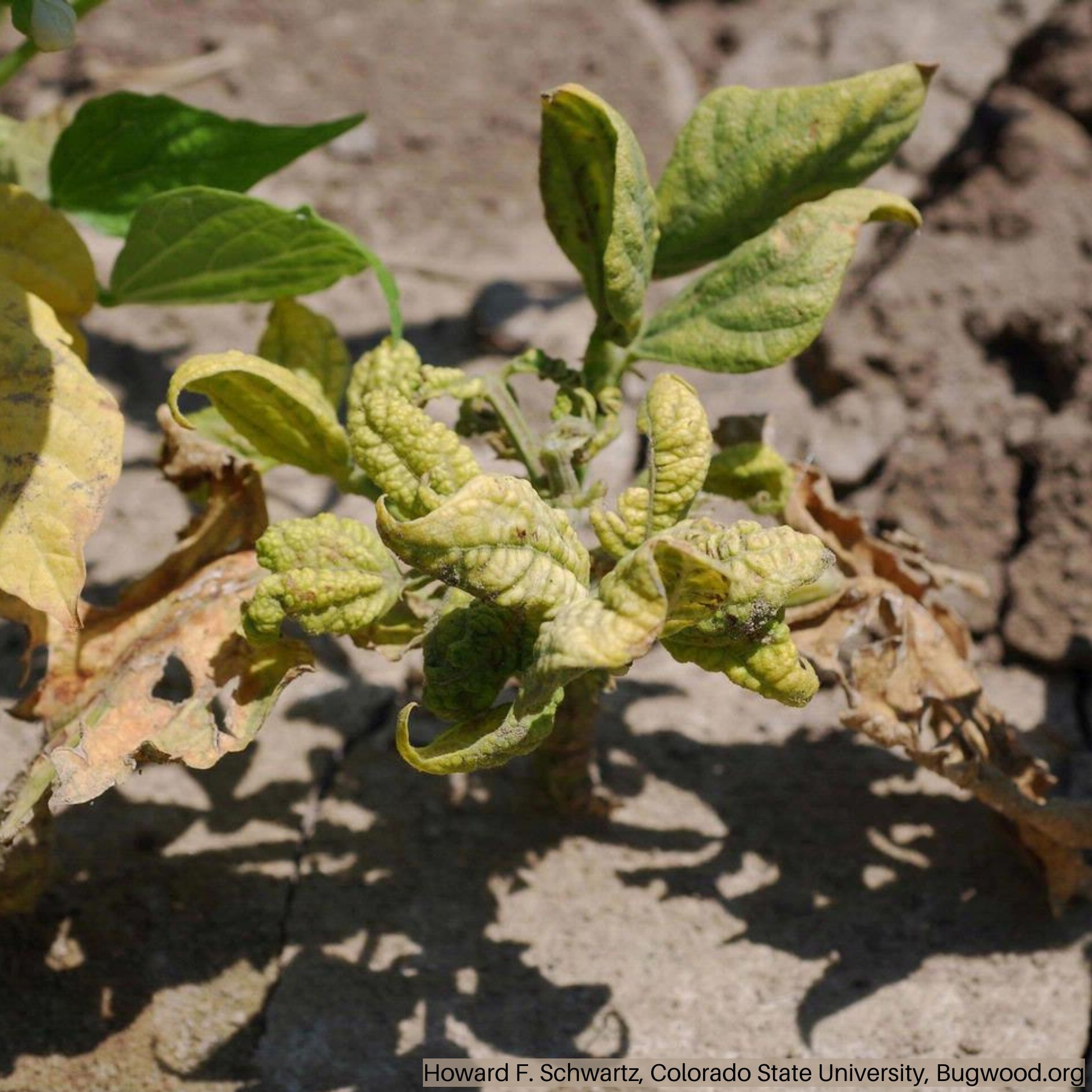
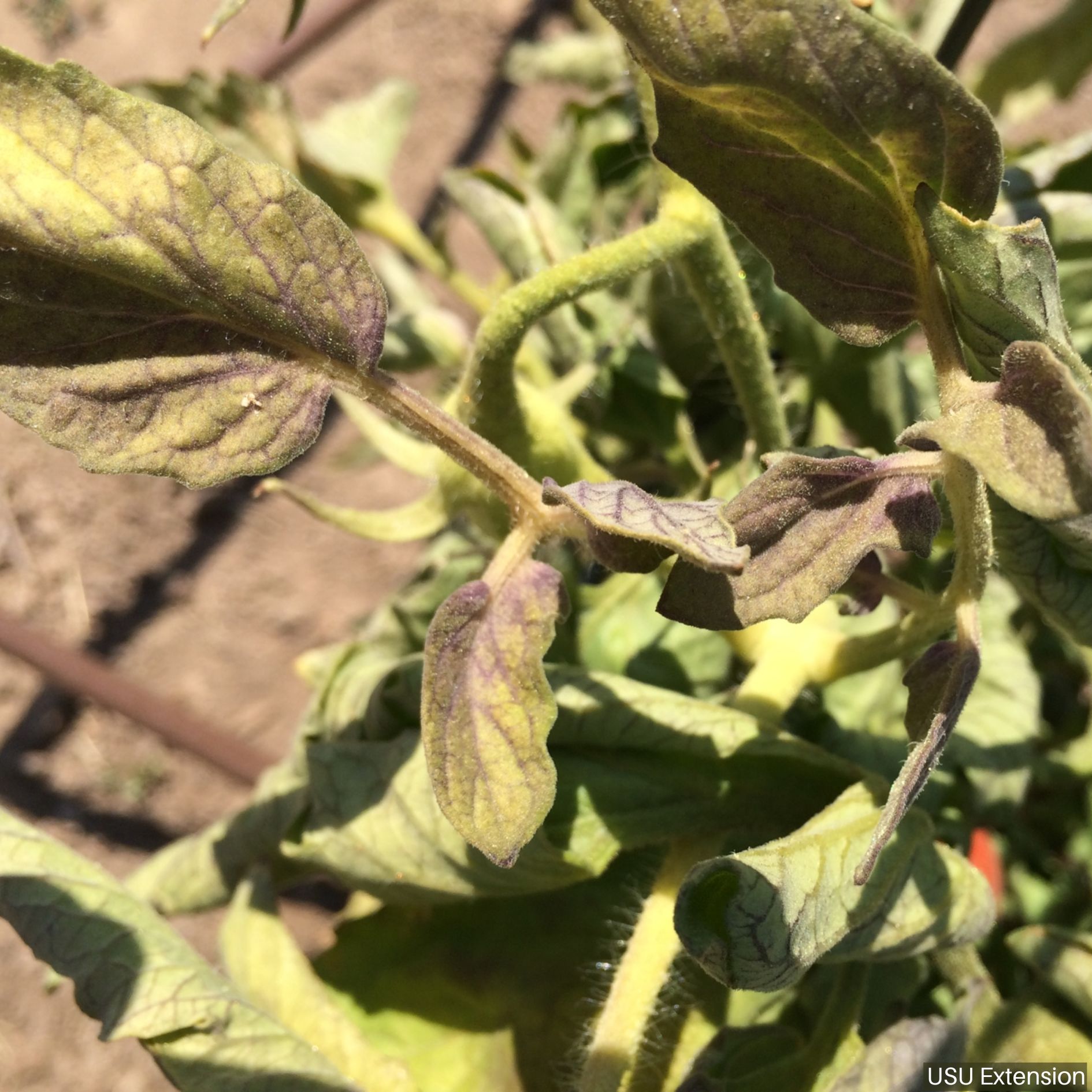
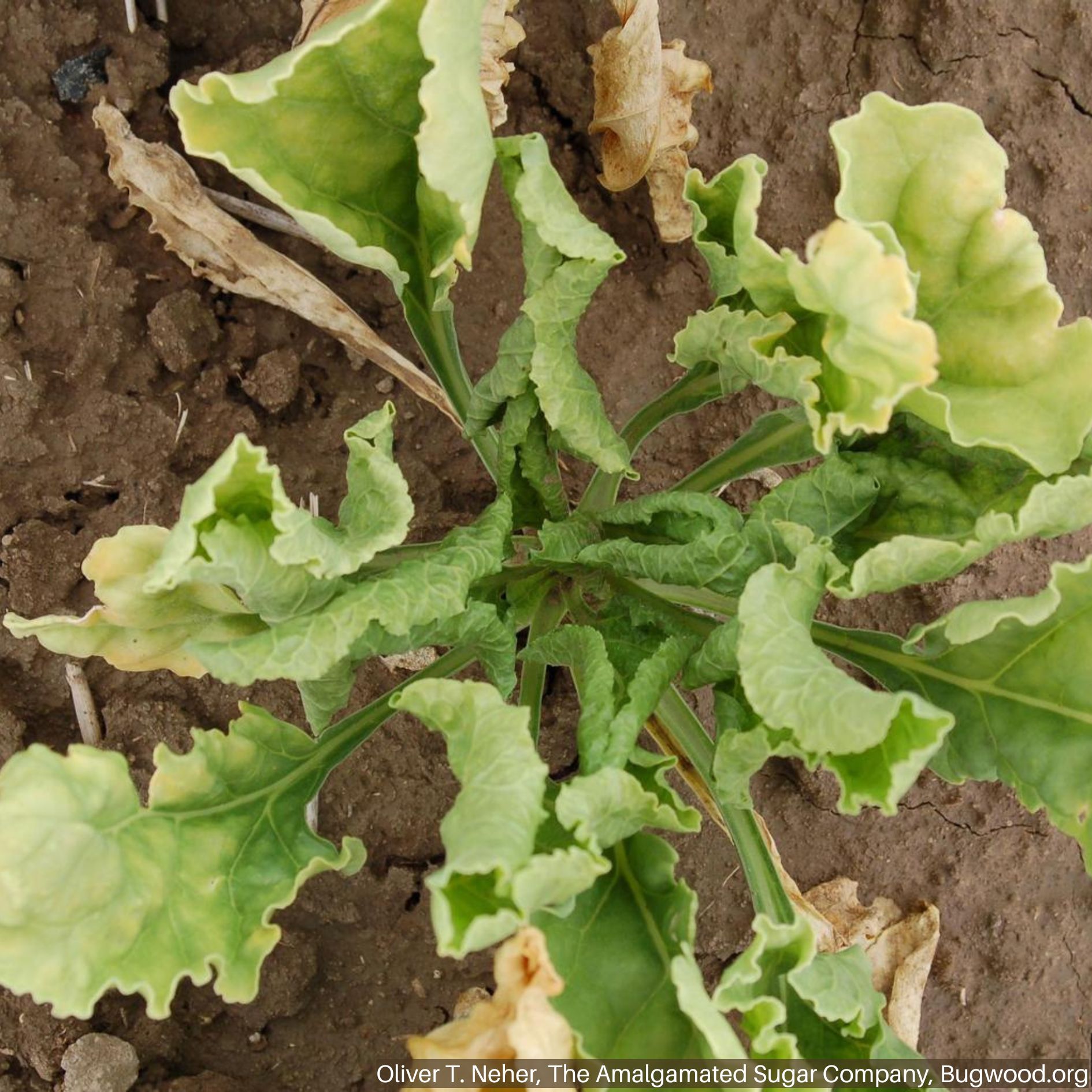
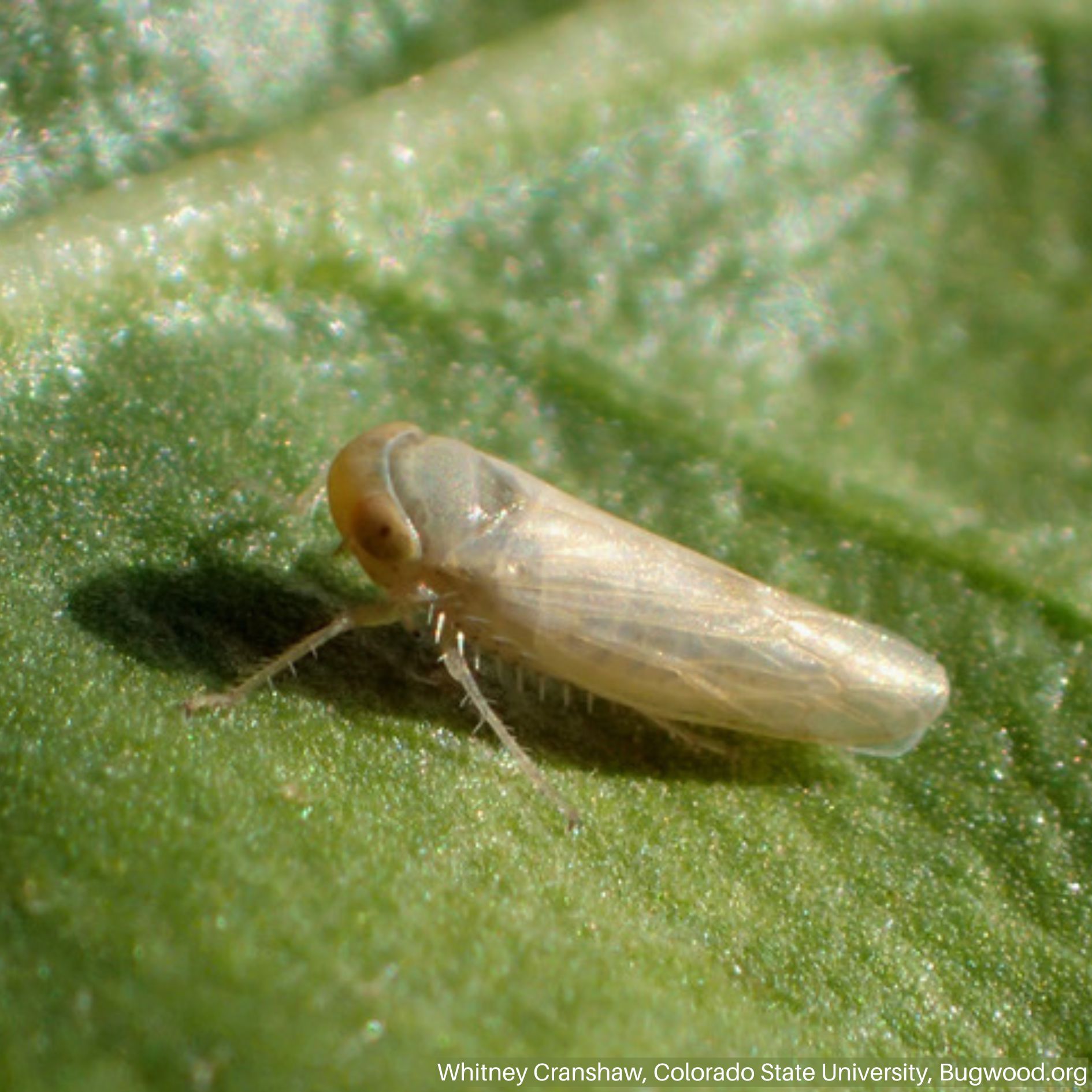
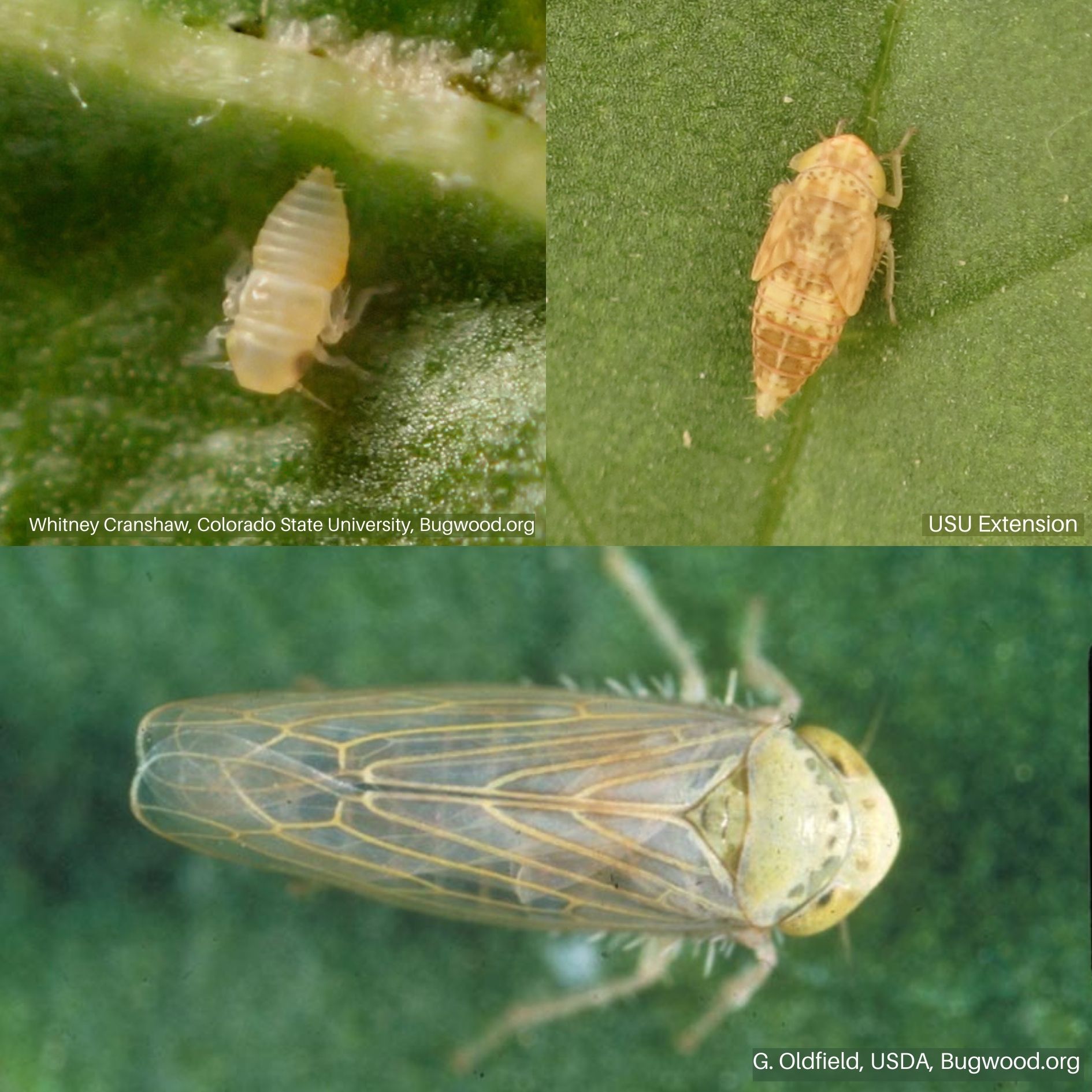
Beet curly top virus (BCTV) is a virus-caused disease transmitted by the Beet Leafhopper (BLH) (Circulifer tennelus). Infection of young plants usually results in death, while more mature plants may survive. Look for plants with stunted growth, thicker yellowed leaves, and aborted flowers. Fruit yield will be low, and prematurely ripened fruit may be dull and wrinkled. In cucurbits, the tips of runners turn upwards. In tomatoes, leaves turn yellow with purple veins, and they roll upward while the petioles roll downward.
Common native and non-native plants—primarily those growing along the foothills—can harbor the virus year-round, and include common lambsquarters, fourwing saltbush, greasewood, halogeton, kochia, and Russian thistle. In mid-spring, beet leafhoppers migrate north from Arizona and southern Utah, either carrying the virus or acquiring it from an infected plant. About 4 to 21 hours after feeding on an infected plant, BLH can transmit the virus to other plants as it feeds. The BLH has a piercing-sucking feeding habit, and an infected leafhopper only needs to feed for one minute on an uninfected plant to transmit the virus. In late spring and early summer, when herbaceous plants growing along the foothills dry up, BLH migrate to irrigated plants in or near vegetable fields. Symptoms are typically visible by mid to late June.
Management
- Manage weeds in and around a field (see list above) that can serve as habitat and virus reservoirs for BLH.
- Scout plants regularly for symptoms of BCTV. Remove and destroy infected plants immediately.
- Diversify crops. USU research has found that mixing taller plants among susceptible hosts prevents BLH from spreading the virus.
The use of insecticides to control BLH is not recommended due to the insects’ transitory presence and long flight distances.
Cucumber Beetles
Where adult and larvae numbers are high, treat with insecticide now.
Crops Affected: Primarily cantaloupe, cucumber, watermelon, and zucchini in Utah. Can also affect bean, corn, potato, and tomato.
Symptoms and Life Cycle
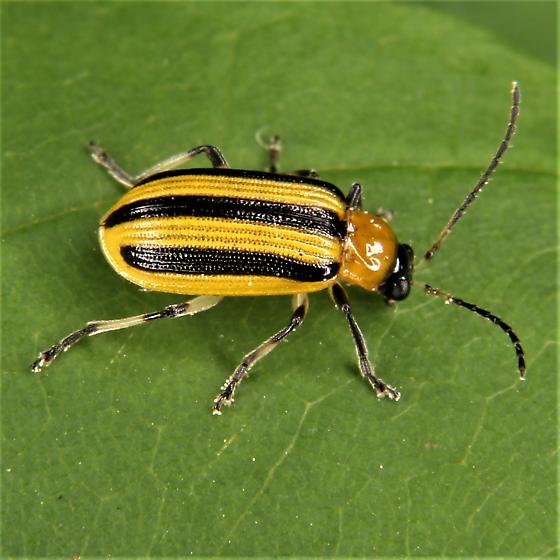
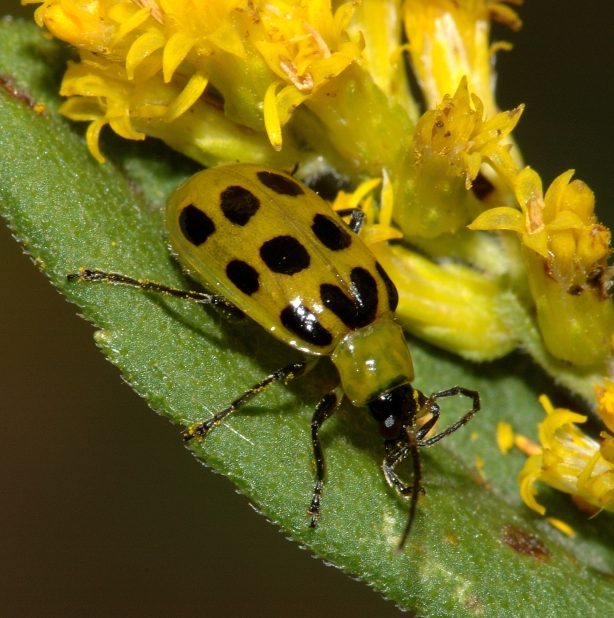
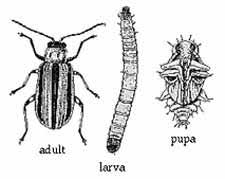
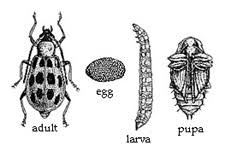
There are two species in Utah: western striped cucumber beetle (the more serious pest) and western spotted cucumber beetle. The striped cucumber beetle causes more damage because both larvae and adults feed on cucurbits. Larvae feed on roots and fruits, and adults feed on leaves and fruit. Only adults of the western spotted cucumber beetle cause damage, feeding on leaves and sometimes on soft fruits.
Management
- Visually check five plants at five locations in a field. All above-ground parts of the plant should be checked, including the underside of leaves and base of the stem. Treat plants when an average of four to five western striped cucumber beetle adults are found per 50 plants in the field.
- Though traps can be used to monitor, trials in east central Utah indicate that field scouting provides a more accurate estimate of beetle populations than trapping. Cucumber beetle traps utilize odors and colors that are attractive to beetles. These include yellow sticky traps, pheromone traps, or kairomone traps that utilize cucurbit fruit, floral or root extracts.
- In home gardens, place thick straw around the base of the plants once established to make it harder for cucumber beetles to lay their eggs. You can also physically remove cucumber beetles by swatting them into a bucket of soapy water.
- Home gardeners may be able to check all plants and might treat when an average of 1 to 5 beetles per plant are found.
It is critical for insecticide sprays to penetrate the crop canopy and contact the beetles. Sprays droplets should deposit on the top and underside of leaves, stems, flowers, and fruits. Also, drenching the soil surface when larvae are active can increase larval mortality. For recommendations of insecticides registered for commercial (pgs. 89-91) and small-scale (pgs. 94-97) use on cucurbits, reference the Utah Vegetable Production Guide.
Powdery Mildew
Scout weekly and control early to reduce spread.
Crops Affected: Primarily cantaloupe, cucumber, and squash in Utah. Also affects beets, brassicas, carrot, celery, legumes, onion, pepper, and tomato.
Symptoms and Life Cycle
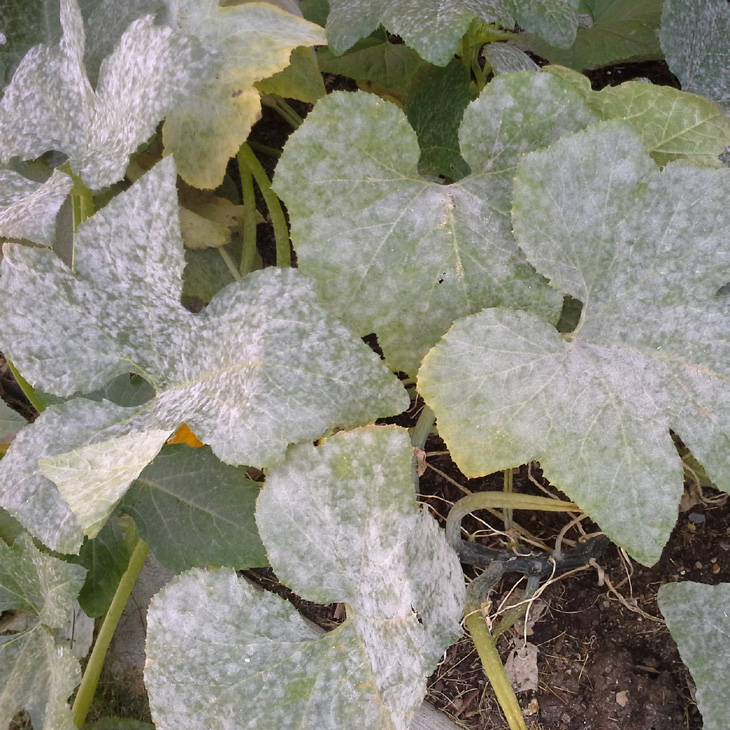
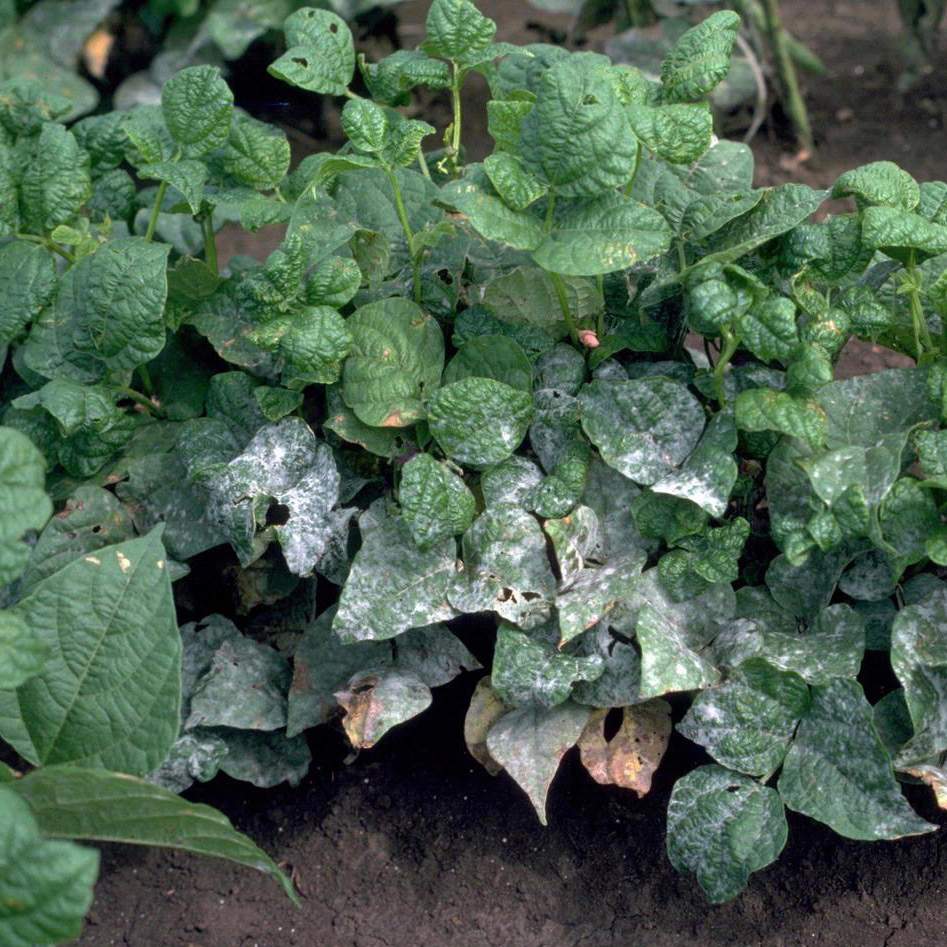
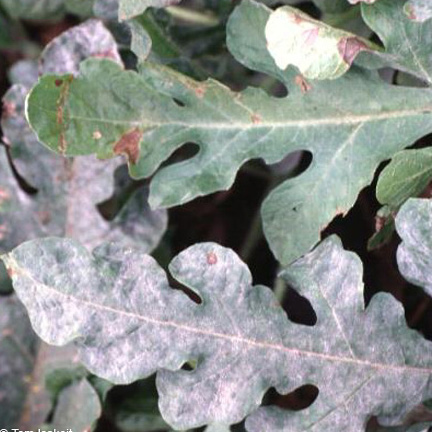
Powdery mildew is common in Utah as the fungi spread in conditions of low rainfall and hot temperatures and spores do not need moisture to germinate. Epidemics may occur under warm and dry weather (75–85° F) with high evening humidity, especially when plants are grown closely together. In general, infected plants have white-to-gray patches with powder-like growth on the upper- or under-side of leaves, which is a mix of mycelium and spores. Infections may also occur on young stems, buds, flowers, and young fruit. Heavily infected vegetable plants may also show symptoms of leaf curling, chlorosis (yellowing), and possible dieback.
Management
Early detection of powdery mildew is critical, so it is important to consistently scout plants for disease. Soon after planting, randomly select 5 to 10 field locations or plants, and inspect the tops and bottoms of leaves once a week. Focus on areas of the field or garden that are densely planted, crowded with weeds, vigorously growing, and shaded.
- Manage irrigation carefully. Morning irrigation will allow excess moisture to dry from the ground and leaves, reducing evening humidity. Where possible, switch to drip irrigation.
- Apply fungicide. Many fungicides (both organic and synthetic) are available and should be applied at the first sign of powdery mildew is found. Repeat applications every 7–10 days (or according to label recommendations). Tables 3 and 4 of this fact sheet (page 5) list examples of fungicides registered for use on vegetable powdery mildew in Utah.
Note that some products and product combinations can cause plant injury, such as:
- Oil applied at temperatures over 85° F.
- Sulfur applied at temperatures over 80° F.
- Mixing oil and sulfur or applying within 2 weeks of each other.
Fusarium and Verticillium Wilts
Watch for symptoms when temperatures are high (90°F for Fusarium and 70 to 85 °F for Verticillium) and soil is moist.
Crops Affected by Fusarium Wilt: Primarily cantaloupe, pea, and tomato in Utah. Can also affect alliums, asparagus, bean, beet, brassicas, celery, chickpea, eggplant, lettuce, pepper, spinach, sweet potato, and other cucurbits.
Crops Affected by Verticillium Wilt: Primarily cantaloupe, eggplant, pepper, potato, and tomato in Utah. Can also affect artichoke, beets, brassicas, chickpea, lettuce, potato, and other cucurbits.
Symptoms and Life Cycle
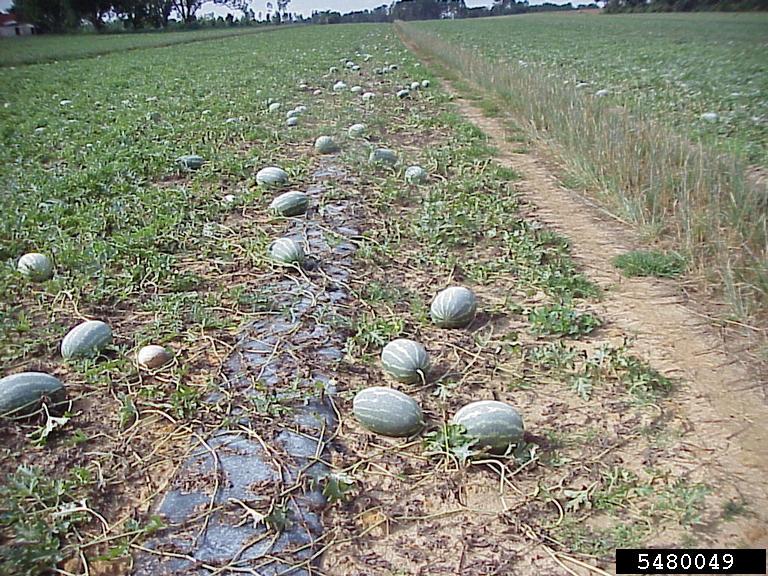
Fusarium wilt and Verticillium wilt are soilborne plant diseases that attack vascular tissue. They cause similar symptoms in their hosts and are difficult to manage as they can survive in the soil for many years. Once a plant is infected, there is no treatment or cure. Therefore, management should focus on preventive and cultural control practices.
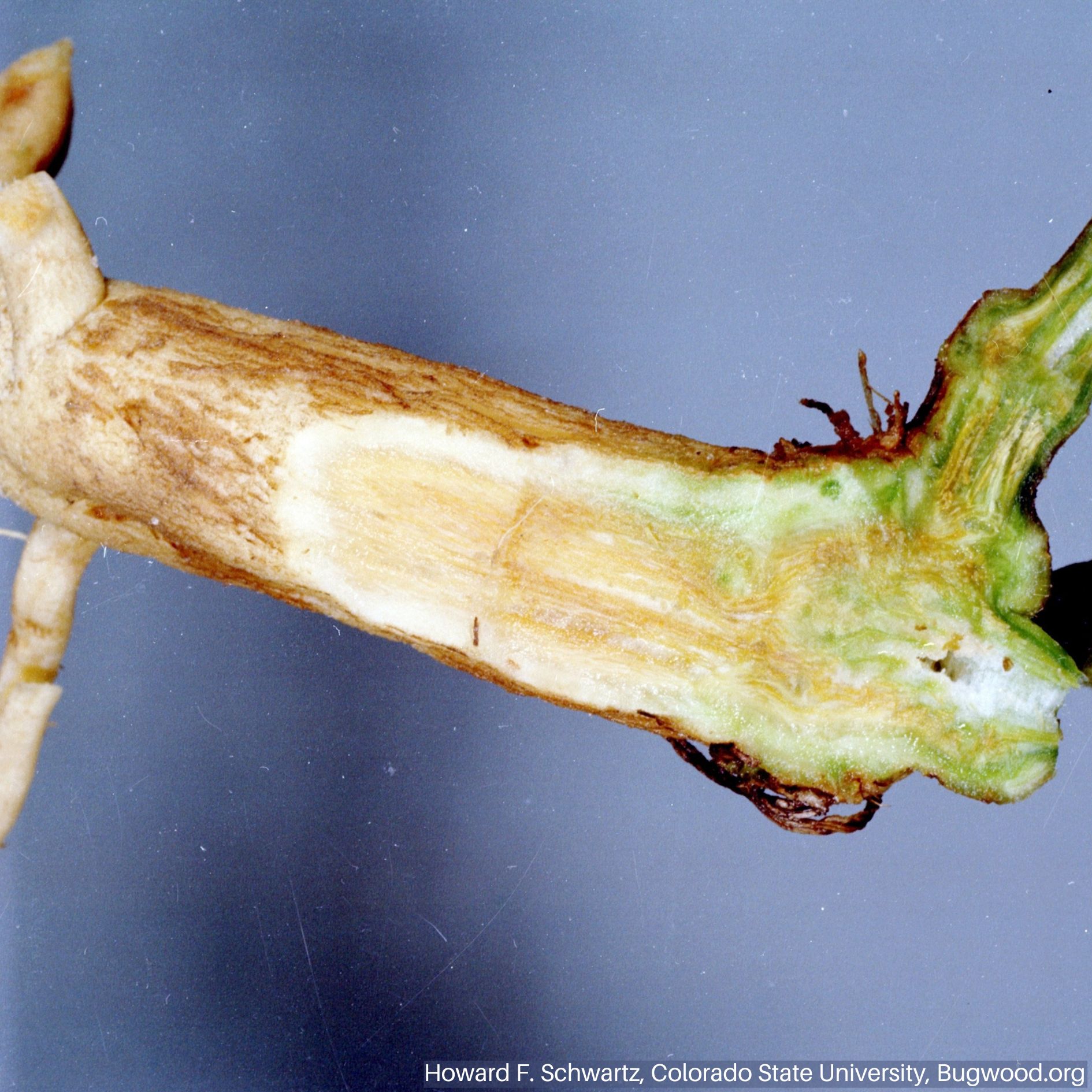
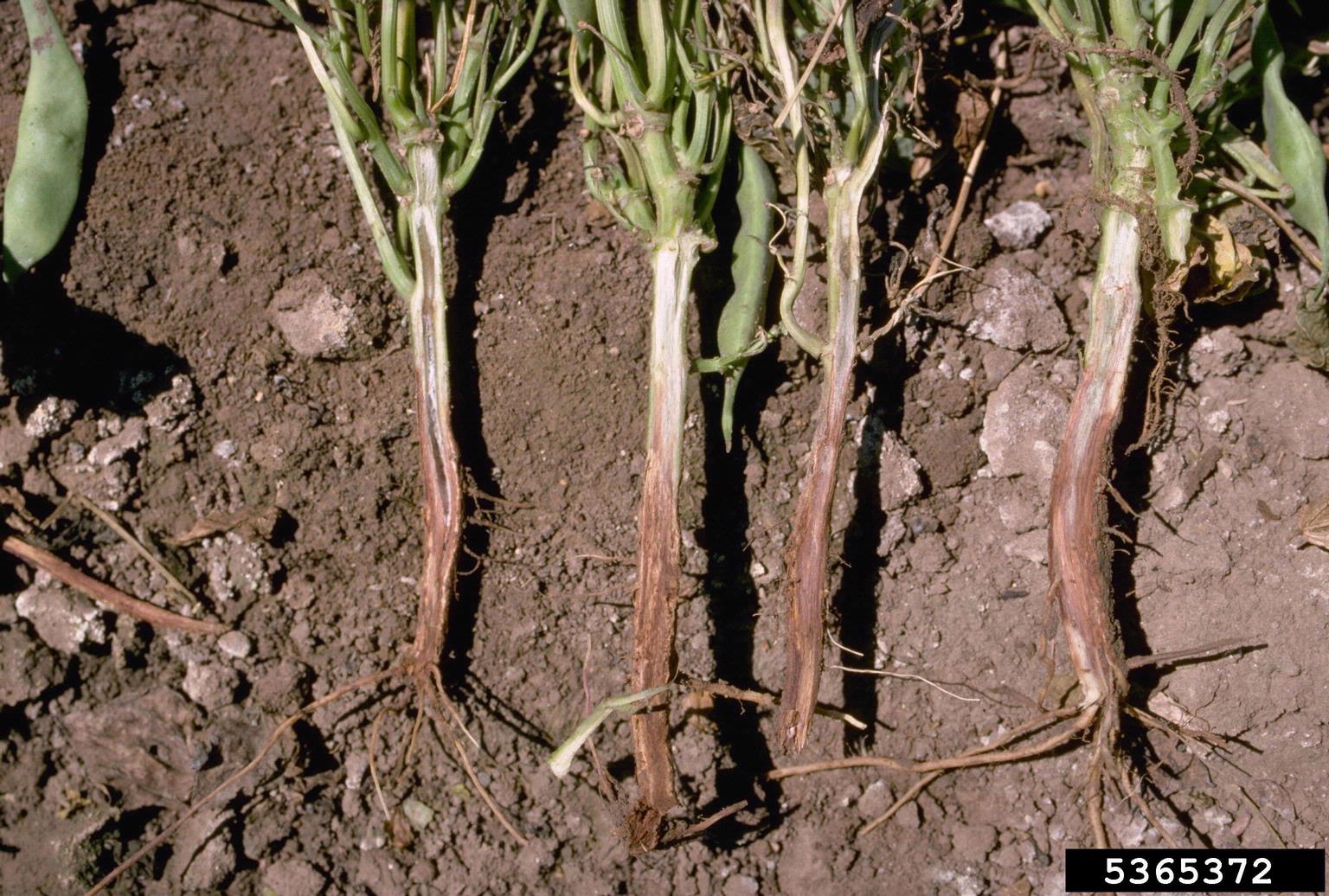
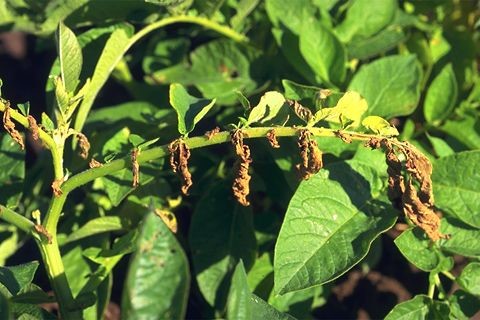
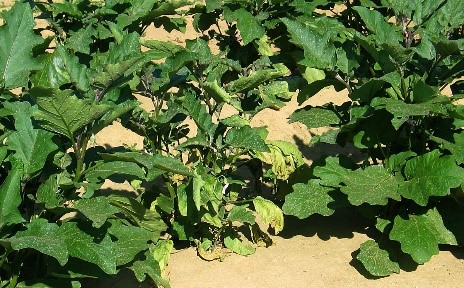
The primary symptom of infection by Fusarium oxysporum is wilting. Sometimes, wilting only occurs on one side or portion of the host. Initially, plants may recover in cooler evening temperatures. Older foliage becomes chlorotic and dies. Over time and especially with hot temperatures, permanent wilting sets in followed by plant death and sometimes vascular discoloration.
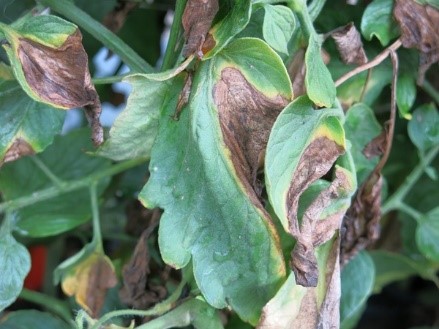
Symptoms of Verticillium wilt are first seen on the lower foliage that turns yellow and dies back. In some hosts, the foliar symptoms are distinct. In tomatoes, a V-shaped lesion forms on the leaf margin with the point of the V working inward. In potatoes, foliar symptoms typically begin on the lower leaves first. On eggplant, the overall foliage will become chlorotic, droop, and the edges of the leaves will roll inward. On all infected plants, decreased rate of photosynthesis of infected plants reduces the overall quality of fruit. In severe infections, plants fully wilt and die with discolored vascular tissue.
Management
- Watch for symptoms when soil moisture and temperatures are high (90°F).
- Monitor areas that have had the disease in the past.
To determine either wilt disease, remove a dying or newly-dead plant and roots from the soil. Use a knife and safely cut a cross-section of the stem near the base of the plant. Look for brown discoloration of the vascular tissue. This method cannot distinguish between Fusarium and Verticillium but can narrow it down to a wilt disease. An official diagnosis should be made by a plant pathologist. Suspect samples can be submitted to the Utah Plant Pest Diagnostic Laboratory.
Since infected plants cannot be treated, use practices aimed at preventing the introduction, buildup, and spread of these diseases.
- Use certified disease-free seed and resistant varieties when available. See table 2 in this fact sheet (page 5) for a list of resistant varieties.
- Control weedy volunteers and hosts to prevent buildup of the disease in the soil.
- Remove and dispose of infected plants and debris to reduce spread of disease.
- Clean attached soil from shoes, tools, and mechanical equipment when moving from field to field or different areas of the garden to avoid spreading the disease.
Two-Spotted Spider Mites
Spider mite populations can increase rapidly during hot summer months and should be treated when populations are low.
Crops Affected: Primarily beans, cucurbits, and tomatoes in Utah. Can also affect celery, eggplant, pepper, and sweet corn.
Symptoms and Life Cycle
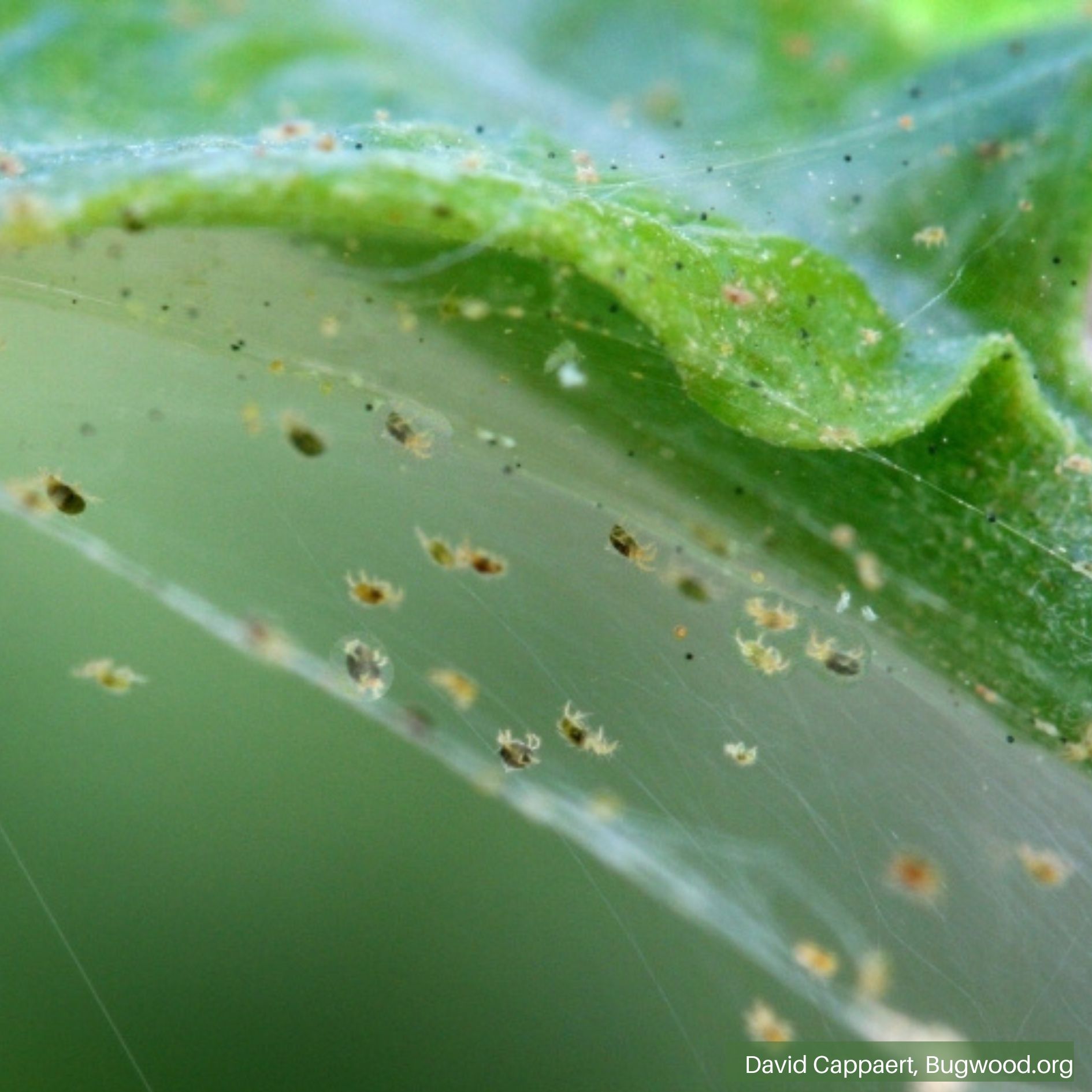
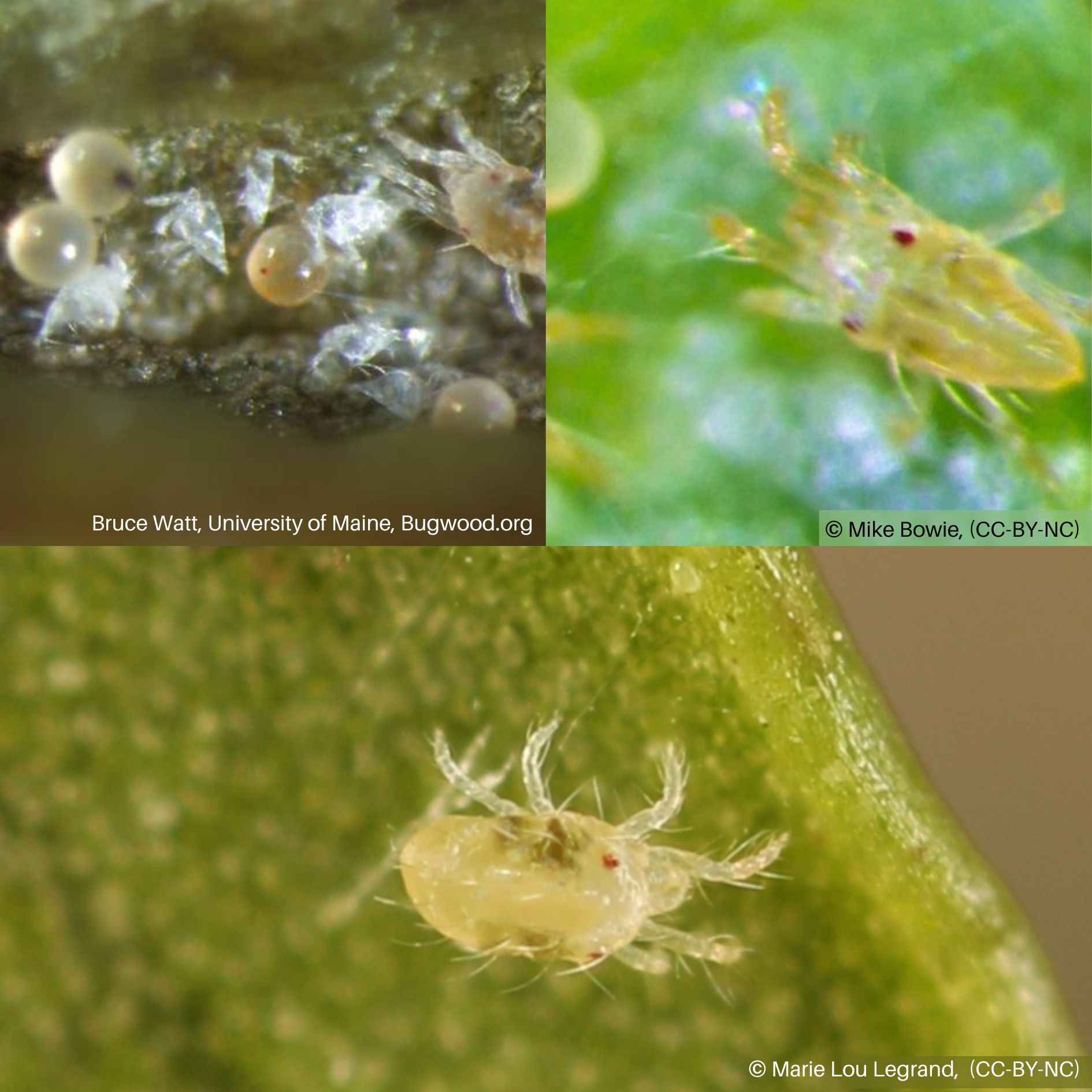
Two-spotted spider mites are tiny, with a yellowish-clear body and two dark spots on either side of its back. Its main predator, the western predatory mite, is often present alongside the pest mites. The western predatory mite is teardrop-shaped (narrower at the head), translucent to yellow in color, and moves quickly.
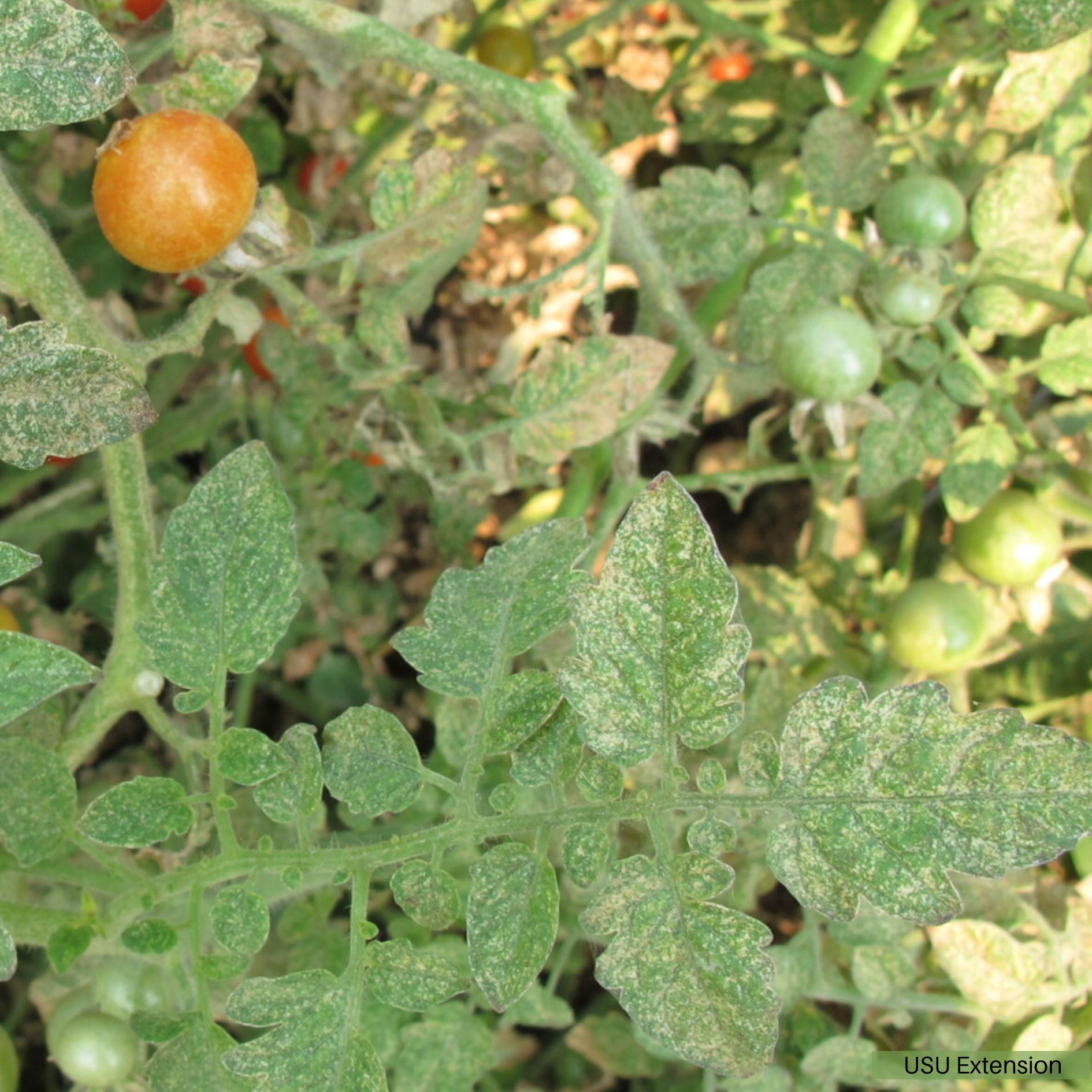
Spider mite feeding causes fine stippling (small spots) on the upper surface of leaves; leaves can become bronzed and turn brown when injury is severe. Mites produce silk webbing on the undersides of leaves causing a grayish hue in their color. Damage also includes wilting, deformed leaves, leaf drop, and leaf and stem death.
Management
- Visually inspect leaves for stippling during hot, dry conditions.
- Randomly pull off one or two lowest-growing leaves of several plants. Using a hand lens (magnifier), view the undersides of leaves for tiny black specks of debris and slow-moving mites. Faster moving mites are likely beneficial predatory mites.
- Shake leaves and stems over a paper or cloth tray and watch for tiny moving dots (spider mites) on the tray.
Often, biological and cultural control for spider mites is sufficient. Use of a miticide may also kill beneficial predatory mites, which typically would keep spider mite populations below economically damaging levels.
- Keep plants healthy and well-watered, especially during times of drought. Stressed plants are more susceptible to spider mite damage.
- Avoid using malathion and pyrethroid insecticides for other pests, as these stimulate spider mite reproduction.
- Attract and conserve natural enemies, including predatory mites, lacewings, and ladybugs with flowering plants.
- Prevent dust from settling on foliage as this promotes spider mite survival and lower populations of predatory mites.
- Use a high-pressure water spray to dislodge spider mites. This can also wash away their protective webbing.